
Lithium-Ion Battery Management for Colleges and Universities
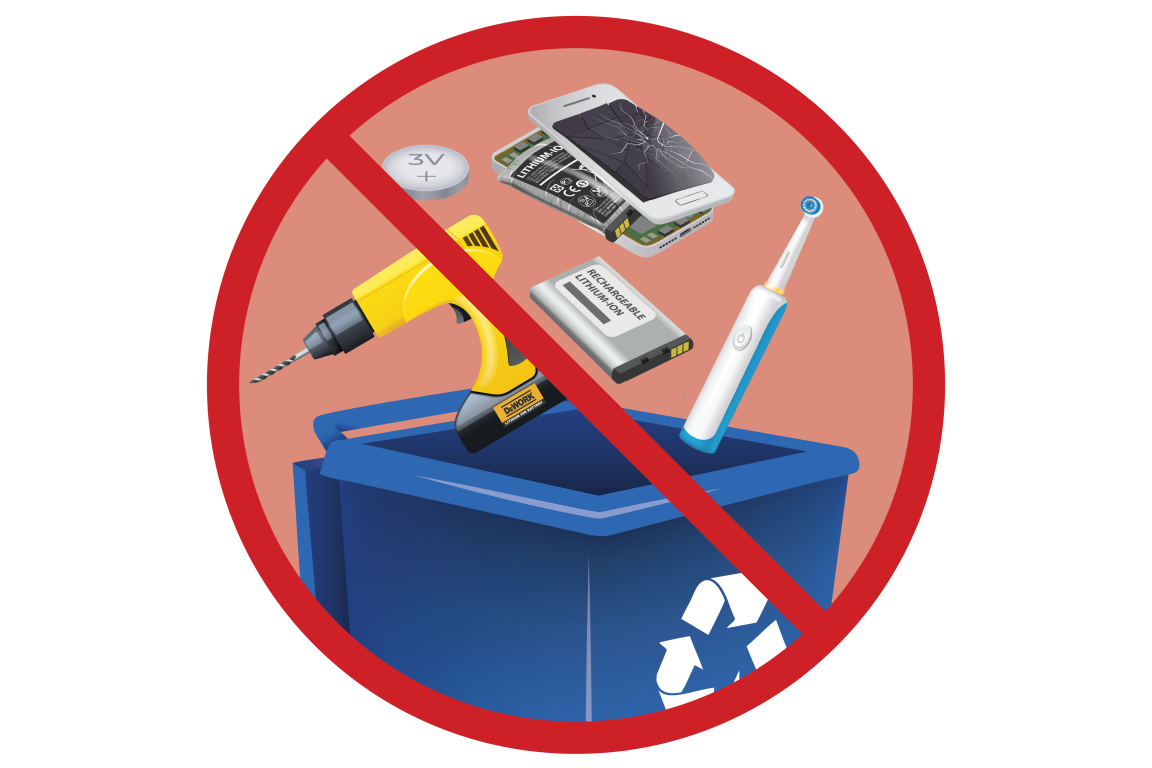
Lithium-ion batteries power many of the rechargeable devices use every day which creates a large amount of batteries that must be properly managed. Beginning December 1, 2026, lithium-ion batteries will be banned from landfill disposal in North Carolina under G.S. 130A-309.10.
This page is designed to help colleges and universities understand how the ban will apply to operations and what steps can be taken now. Institutions should prepare to manage batteries generated by campus operations and by campus members, including students, faculty, and staff.
Best Practices for Colleges and Universities
It is important for colleges/universities to establish a safe, comprehensive plan for the collection and handling of lithium-ion batteries. Working with a certified household hazardous waste (HHW) vendor or your school's environmental health and safety department may help in establishing proper procedures.
DEQ's Lithium-Ion Batteries Best Practices for Local Governments provides an overview of the importance of and steps for establishing a management plan and may be useful for college/university management.
Several companies in the southeast collect, sort, process, and recycle lithium-ion batteries. Find contact details and other business information on the NC Recycling Markets Directory. The directory allows you to search by material type or company name. Results will be shown on a map to easily identify the closest solutions along with more details on what each company takes and how to contact them.
Mail-in and store take-back options: These companies will send DOT-approved packaging for users to mail batteries to a recycler. They also have established drop-off sites at retail locations.
Hazardous and universal waste vendors: These vendors can work with an entity to set up collection events or programs for these types of materials including batteries.
- Lighting Resources LLC
- Republic (Eco-flo)
- MXI
- Cleanlites Recycling
- Heritage-Crystal Clean
- Triumvirate Environmental
Electronics recyclers: These companies accept batteries still in their respective devices for disassembly and recycling.
- PowerHouse Recycling
- Synergy Electronics Recycling
- METech
- BlueSky Solutions
- ERI
- eCycle Secure
- Colt Recycling
Battery recyclers: These companies break batteries down into their component parts for reuse or recycling. They can extract rare earth metals, known as black mass, to manufacture new batteries.
While lithium-ion and lead acid batteries are specifically banned from disposal, permanent collection sites should accept all types of batteries that students, staff, or faculty will bring.
- Establish a permanent collection for batteries. Make sure to incorporate appropriate fire prevention and suppression equipment and follow safe storage and handling guidelines.
- Accept batteries at collection sites. Confirm with a vendor and advertise the sites as battery drop-off points.
- Add collection points at frequently visited buildings (e.g. labs, student unions) to make them convenient for students, staff, and faculty. Target large generators like engineering and IT departments.
Many institutions are already collecting batteries generated on campus for recycling. Below are some examples of collection systems.
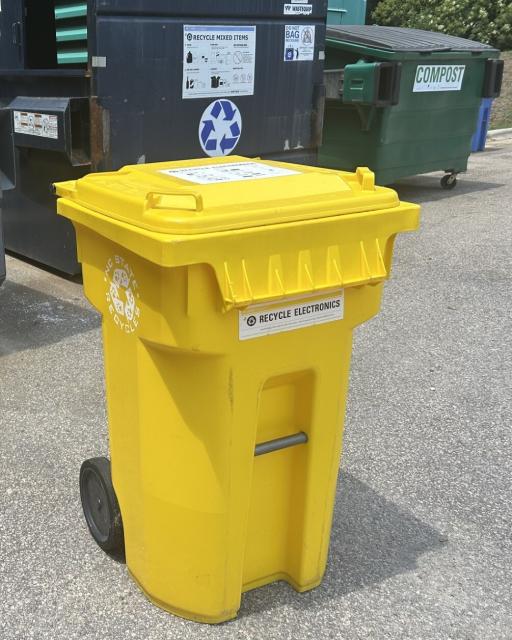
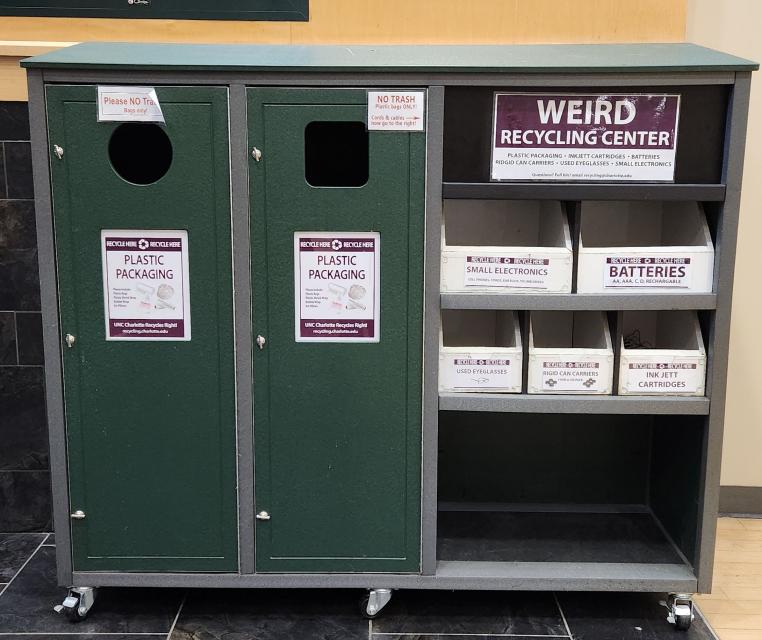
Improper handling and disposal of lithium-ion batteries can create serious fire risks. Colleges/universities should review safe storage and handling practices for batteries collection from the campus community and internal operations. General best practices for storage and handling:
- Store batteries in a dry, cool location away from heat sources.
- Keep batteries out of regular trash and recycling containers. Use approved or recommended collection containers.
- Protect battery terminals when appropriate and as advised by HHW vendors and/or environmental health and safety departments.
- Avoid crushing, puncturing, or damaging batteries.
- Separate damaged, defective, or recalled batteries from intact batteries.
- Limit accumulation in high-traffic areas.
- Ensure employees know reporting and response procedures.
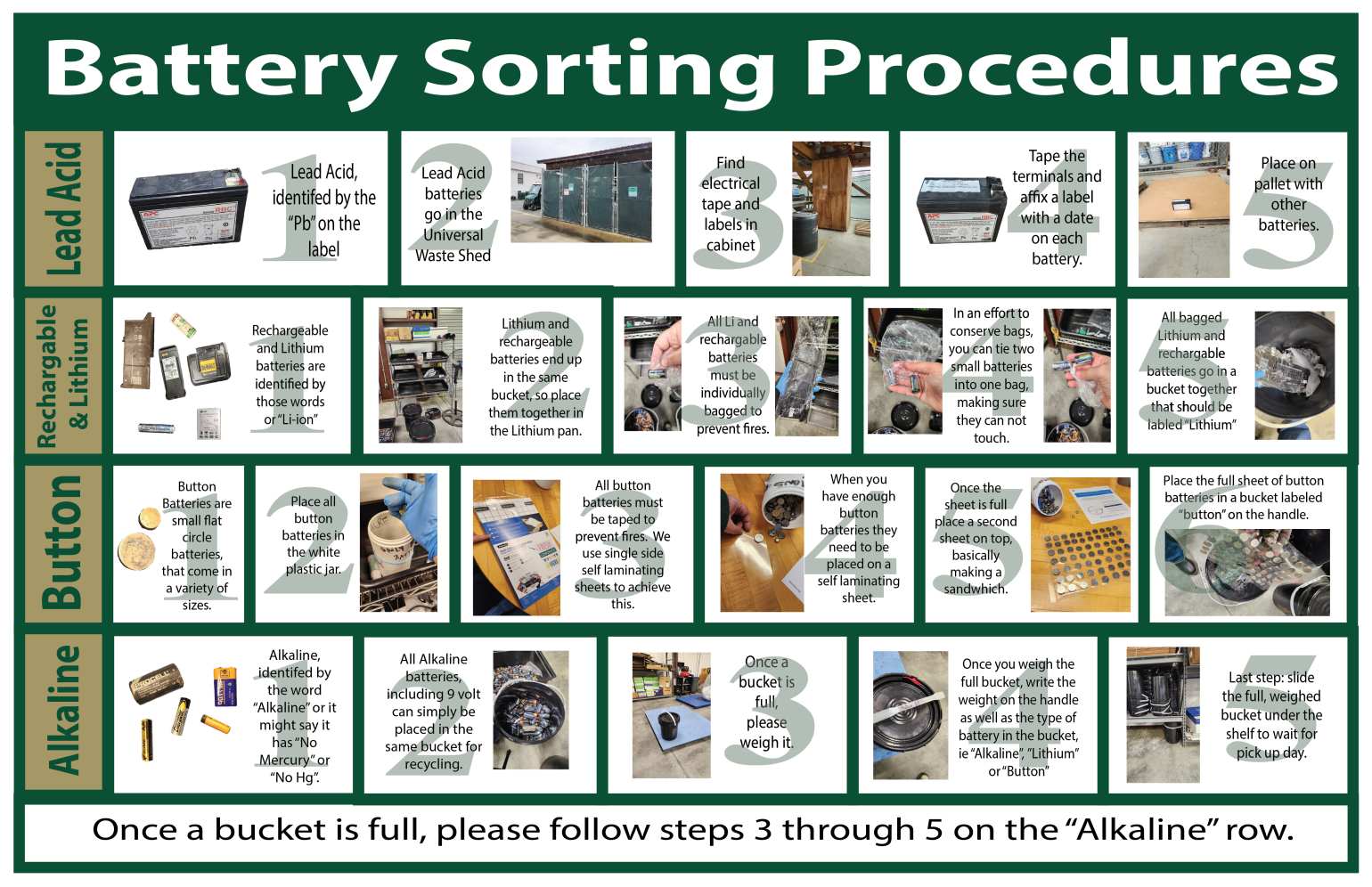
It is essential that college/universities provide students, faculty, and staff with information on how and where to drop off batteries in order to prevent disasters sparked by improper disposal.
- Use specific language and graphics to relay the importance of proper management.
- Partner with other entities in the community with a vested interest in fire safety (e.g., campus EHS, local fire department). Make sure language used in educational material is consistent.
- Communicate to students, staff, and faculty where drop-off sites or retail take-back programs are available.
- Warn the community not to remove embedded lithium-ion batteries from devices.
- Refrain from using the word “recycling”. Instead, use terms like “turn in” or “drop off” when it comes to batteries.
DEQ has various customizable outreach resources to assist with messaging.
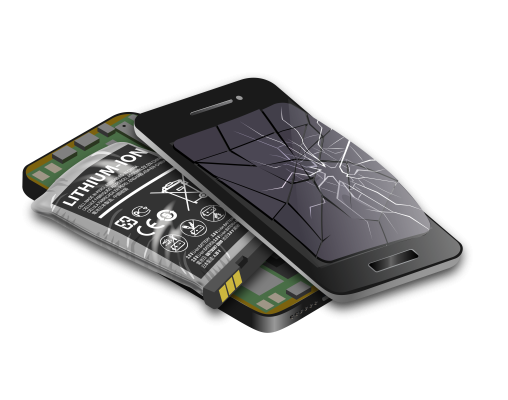
DDR lithium-ion batteries may present elevated fire and safety risks and may require special handling, packaging, transportation, or recycling procedures. Such batteries may be:
- Swollen or bulging
- Overheating
- Smoking or leaking
- Physically damaged
- Recalled by manufacturers
Colleges and universities managing DDR batteries should consult appropriate HHW vendors or their school's environmental health and safety department about collection and storage. The U.S. Department of Transportation provides furthering information on understanding the risks of DDR lithium batteries.
Additional Information
Are batteries inside devices included in the ban? Yes. Devices containing lithium-ion batteries should not be placed in the trash or recycling if the battery remains inside the device.
Are other batteries included in the ban? No. This landfill ban specifically applies to lithium-ion batteries. Lead acid batteries have been banned from disposal since 1991.
Can students, staff, and faculty use store drop-off programs? Some retail programs may accept certain rechargeable batteries, but acceptance policies, quantities, and battery types vary by location.
What if my college/university only collects a small number of batteries? Even small quantities of lithium-ion batteries should be managed separately from trash and recycling streams. The ban will apply to all lithium-ion batteries discarded within the state. If your college/university collects or generates lithium-ion batteries, including in electronic devices and rechargeable tools, you will need to prepare to manage these batteries at the end of their useful life.
Can lithium-ion batteries go into scrap metal containers? No. Batteries should not be mixed with scrap metal or placed loose into metal containers where damage or short-circuiting may occur.
What should we do with damaged or swollen batteries? Damaged batteries should be isolated from other materials and managed carefully due to elevated fire risk. See "Damaged, Defective, or Recalled (DDR) Batteries" above for more information.
Do employees need training? Colleges and universities will benefit from training employees on battery identification, handling, storage, and emergency procedures. If you have a HHW vendor or environmental health and safety department, consult with them on what actions and practices they require.
What about other types of batteries? While this page is dedicated to lithium-ion battery management, local governments may accept other types of batteries from residents. Lead acid batteries are the only other type that are currently banned from landfill disposal and must be properly managed. Colleges and universities should communicate safe recycling or disposal practices for other types of batteries (ex. nickel, alkaline) to students, faculty, and staff.
DEQ Resources
NC DEQ Report on the Prohibition on Disposal of Lithium Batteries in Landfills NC DEQ Generator Options for the Management of Discard Batteries - Free Outreach Designs | NC DEQ - Colleges/universities can request customized, battery outreach.
EPA Guidance
- Battery Collection Best Practices | US EPA - Includes EPA's Battery Collection Best Practices Report to Congress and past working session information on the development of best practices
- Used Lithium-Ion Batteries | US EPA - Includes general information on lithium-ion batteries and information for various audiences.
Additional External Resources
- National Waste & Recycling Foundation's 'Skip the Bin!' Campaign - Includes facts and statistics about battery safety and education and outreach resources.
Raleigh Fire Department Lithium-Ion Battery Safety Guidance - An example of plain-language fire safety content and visuals for outreach pages.
For additional college/university assistance, contact:
This page was last modified on 06/24/2026