
What We Do
The NIFMP implements nature-based solutions and natural infrastructure to increase resilience and mitigate flooding across North Carolina. In 2020, the NC General Assembly created the Natural Infrastructure Flood Mitigation Program (NIFMP) within DMS, incorporating flood storage capacity enhancement projects into the division's activities. The NIFMP leverages DMS's experience in project procurement, monitoring and vendor relationships to implement these projects.
What are Nature-Based Solutions and Natural Infrastructure?
Nature-based solutions can be defined as:
Solutions that intentionally restore and/or use natural processes in infrastructure projects to reduce risks and deliver environmental, economic, and social co-benefits.
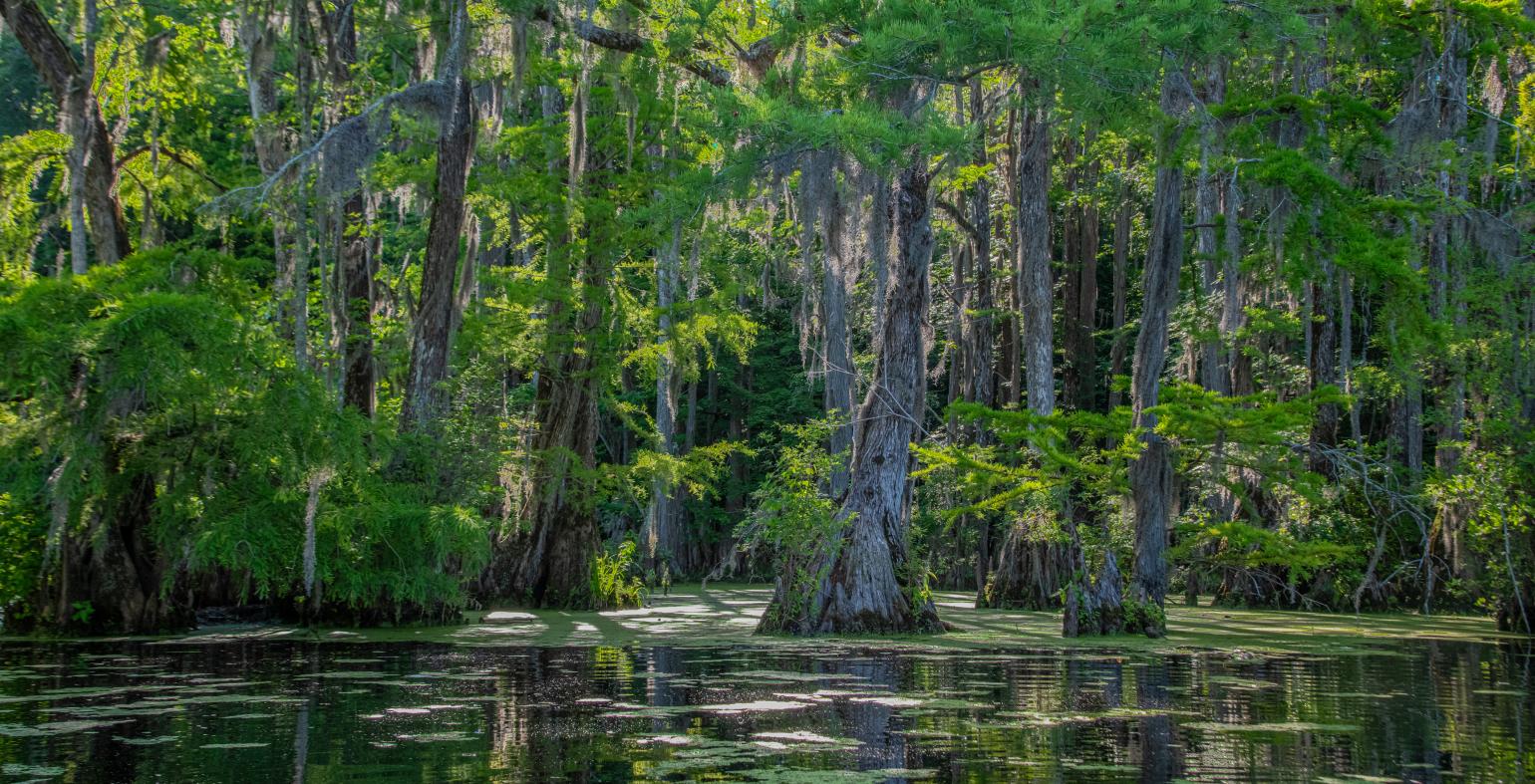
Natural Infrastructure is considered a subset of nature-based solutions and is defined by 23 U.S. Code § 101(a)(17) as:
“…infrastructure that uses, restores, or emulates natural ecological processes and— (A) is created through the action of natural physical, geological, biological, and chemical processes over time; (B) is created by human design, engineering, and construction to emulate or act in concert with natural processes; or (C) involves the use of plants, soils, and other natural features, including through the creation, restoration, or preservation of vegetated areas using materials appropriate to the region to manage stormwater and runoff, to attenuate flooding and storm surges, and for other related purposes.”
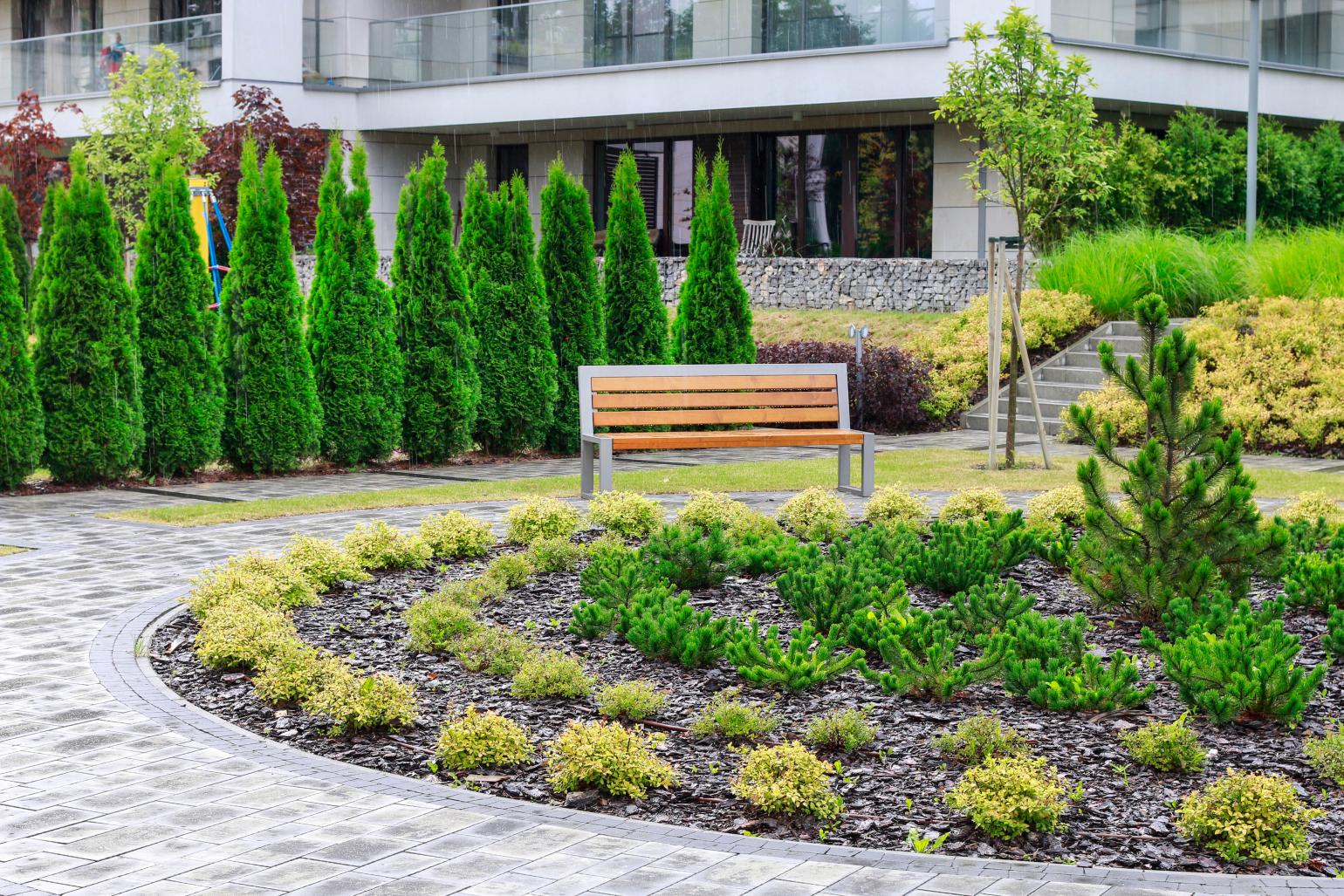
The NIFMP seeks to leverage nature-based solutions, and more specifically natural infrastructure, for the state of North Carolina to mitigate flooding while improving the quality of life for people and ecosystems. Nature-based solutions and natural infrastructure practices may vary throughout the state, because of its diverse geographies and ecosystems, which include the Western Mountains, the Piedmont and the Coastal Plain. Some examples of applicable natural infrastructure for flood mitigation include flood storage wetlands, stream and floodplain restoration, and agroforestry practices. A catalog of applicable natural infrastructure for the state of North Carolina is in review and will be available in the near future.
Team Members
Periann Russell, Geomorphologist, Program Lead
Lin Xu, Engineer, Project Manager
Bo Nash, Mitigation Specialist, Program Coordinator